Start with where the bricks would land
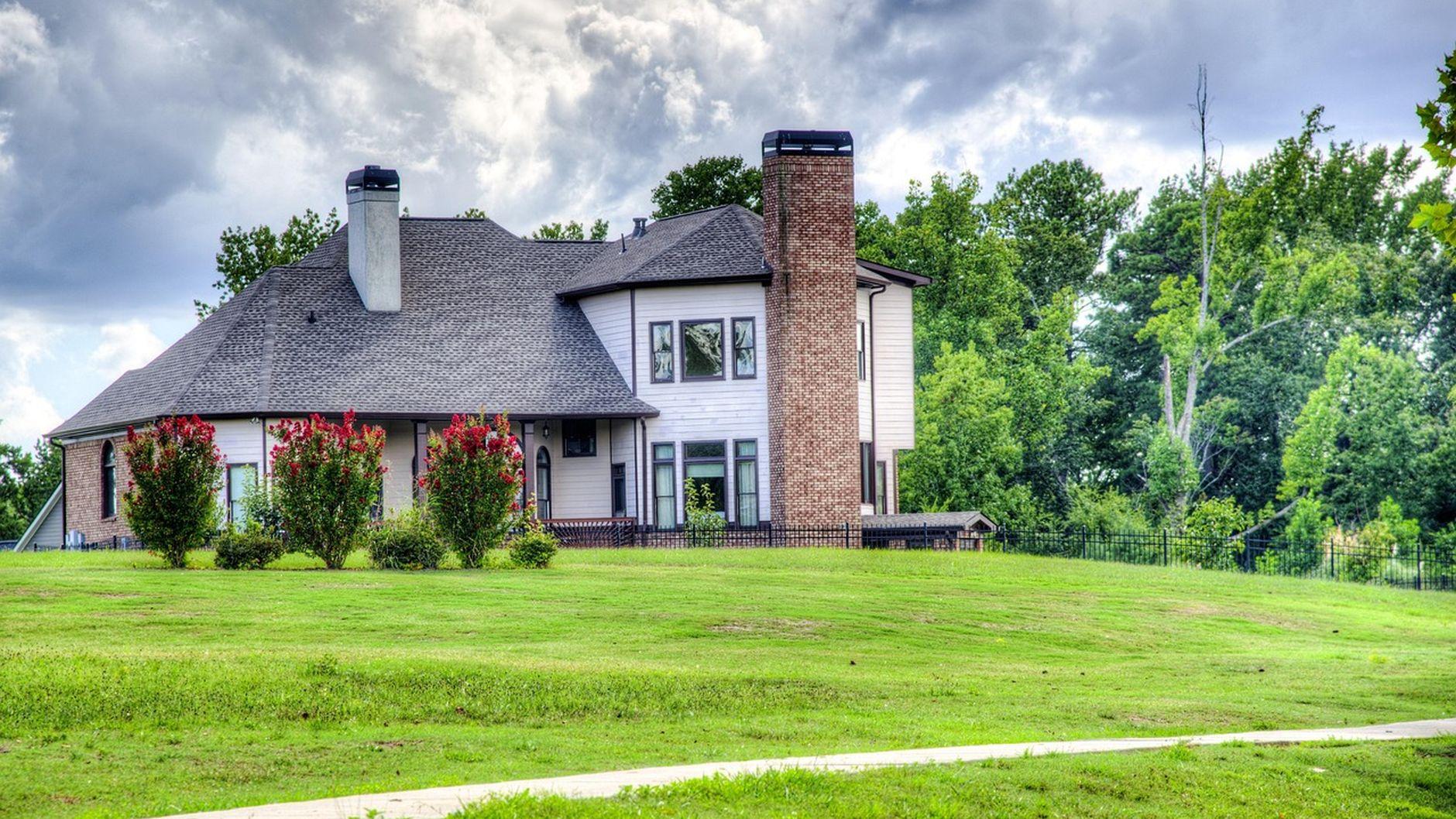
Walk around your house in Gardena and look up at the chimney. Then look down. What sits underneath it? On a lot of South Bay homes, the answer is a side yard where the kids ride scooters, a patio with the dog's water bowl, the path to the trash bins, or the roof over a bedroom. That is the honest way to think about seismic chimney work. The question is not whether the brick is old. It is who would be standing under it when the ground moves.
Unreinforced brick chimneys tend to fail at the point where they leave the support of the house, which is usually at or just above the roofline. In the 1994 quake, many chimneys across the region cracked there and dropped their upper sections onto roofs, yards and cars. A brick stack is heavy, and it does not take a large section to do real harm.
What seismic work on a chimney can look like
Every chimney is different, and the right answer depends on its height, its condition and what is under it. In general terms, the options fall into three groups:
- Bracing. Steel members tie the part of the chimney above the roof back to the roof framing, so it is less free to whip back and forth.
- Strapping. Steel straps tie the chimney to the house framing at the wall, at points along its height, so the house and the chimney move together.
- Taking the top down. The upper part of the stack is removed and rebuilt lighter, with reinforcing steel, or replaced with a framed chase around a metal flue, which weighs a fraction of the brick.
Sometimes the work is a combination. A sound lower chimney can be strapped while the loose top is taken down and rebuilt. A chimney that is cracked through low down may need more than bracing to be worth keeping.
Signs your chimney deserves a look now
These are the things we ask Gardena families to look for from the ground:
- A visible lean, or a gap opening between the chimney and the house wall.
- Cracks running through the brick, not just the mortar, especially near the roofline.
- Loose or missing bricks near the top, or mortar dust on the roof.
- A crown that is broken or has chunks missing.
- Any change you noticed after a shake, even a small one.
If you see any of these, keep the family and pets away from the area directly below the chimney until it has been checked, and do not light a fire in it.
The inspection comes first
Seismic work starts with knowing what you have. We begin with a Level 2 inspection at $370, which puts a camera inside the flue and records the masonry, the crown, the roofline joint and the chimney where it runs through the attic. Cracks inside the flue tell us a lot about how the chimney has moved in the past, and whether the brick below the roof is sound enough to brace or strap.
The report sets out what we found, what we would recommend for a household like yours, and why. If the chimney is sound and the bracing or strapping is a reasonable choice, it says so. If the top really needs to come down, it says that too.
What decides the price
There is no single published price for seismic chimney work, because one chimney can need two straps and a brace while another needs its top third taken down and rebuilt. What sets the cost is the height of the chimney above the roof, the condition of the brick and the crown, whether there is one flue or several, the roof type and pitch, and how much has to be removed and rebuilt.
That is why the written quote comes after the inspection. To get started, book the Level 2 through our form and tell us how tall the chimney stands above the roof, what is directly below it on each side, and whether you have noticed cracks or a lean. We call back to set the visit, and the written scope and price follow the report.
What the written quote covers
The quote we send after the inspection lists each part of the work on its own line:
- The type of work proposed: bracing, strapping, a rebuild of the top, or a mix.
- How far down any rebuild goes, and what happens if the brick below is weaker than it looked.
- Reinforcing steel, the new crown and the cap.
- A new liner if the flue has to be relined while the stack is open.
- Roof work around the chimney, including flashing.
- Permits, where the city asks for one.
A screened cap on the finished top is quoted after we measure, and if the roof joint needs new flashing with a water diverter on the uphill side, that part is $630 to $1,600. The rest is priced to the chimney in front of us.
Pairing seismic work with other fixes
Seismic work often lines up with other repairs, and doing them at the same time can save a second trip to the roof. A cracked crown, an open flue with no cap, or a leak where the chimney meets the roof are all easier to fix while the top is already being worked on. Our seismic retrofit page, crown repair page and chimney rebuilds page cover each in more depth, and up to code repairs puts structural items first.
If you are in the middle of buying a house with an old brick chimney, the post on a Level 2 check before you buy explains how this fits into a purchase. For the fireplace below, fireplace inspection cost covers the two inspection levels.
We work on chimneys across Gardena, Torrance, Carson and Compton. When you are ready to find out what your chimney needs, our contact page is where to begin.
Want a Household Check on Your Fireplace?
Dowd Chimney Company works from Gardena across Compton, Torrance, Carson and the wider county. We look at what your family can reach, test the gas parts, follow the flue outside, and leave notes and a written price.